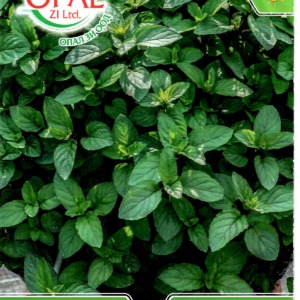


Garden Sage
 Variety
Open-pollinated (non-hybrid)
Variety
Open-pollinated (non-hybrid)
 Sowing
April, March
Sowing
April, March
Description
Garden sage is a perennial subshrub reaching 60 cm, grown as an ornamental, culinary herb and medicinal plant. Harvest the leaves once in September during the first year, then 2–3 times in subsequent years, in June and September. It tolerates drought and heat but not waterlogging, is an excellent bee plant and is described as having anti-inflammatory, disinfectant and cough-relieving properties. Use the leaves to season pork, lamb, beef and poultry. Grow in a sunny position.
Benefits: Sage provides nutrients and is used in soups, stuffings and other dishes. The source lists vitamins B1, B2, B6, B9, K, A and C, together with zinc, copper, potassium, calcium and magnesium.
Traditional medicinal uses: The source describes uses for sore throat, bronchitis, mumps, gingivitis, sciatica, polyarthritis, neuritis, diabetes, gynaecological and skin conditions, wounds, ulcers, boils, burns and asthma; conditions affecting the digestive tract, liver and kidneys; viral infections and urinary-tract inflammation including pyelonephritis and cystitis; and supporting the immune system.
Sowing: March–April
Flowering: June–July
Height: 60 cm.
Pack size: 0.5 g.
Sow in August